Red light therapy for ligament repair
Red light therapy for ligament repair: Ligaments are strong, flexible bands in your body. They connect bones to other bones. Think of them like tough ropes that hold your joints together. When you get a sprain, you often stretch or tear these ligaments. Healing can be slow. The body must build new tissue, which takes time and care.
The repair process has several steps. First, the body manages inflammation. Then, it builds new, soft tissue fibers. Finally, it remodels those fibers into strong, organized structures. This whole journey is where red light therapy for ligament repair shows promise. The latest research suggests it can gently support each phase without harmful side effects.
Traditional healing methods often involve rest, ice, and physical therapy. These are very important. However, new tools can add to these methods. Red light therapy for ligament repair is becoming one of these supportive tools. It uses specific wavelengths of light to interact with your body’s own cells.
What is Red Light Therapy and How Does It Work?
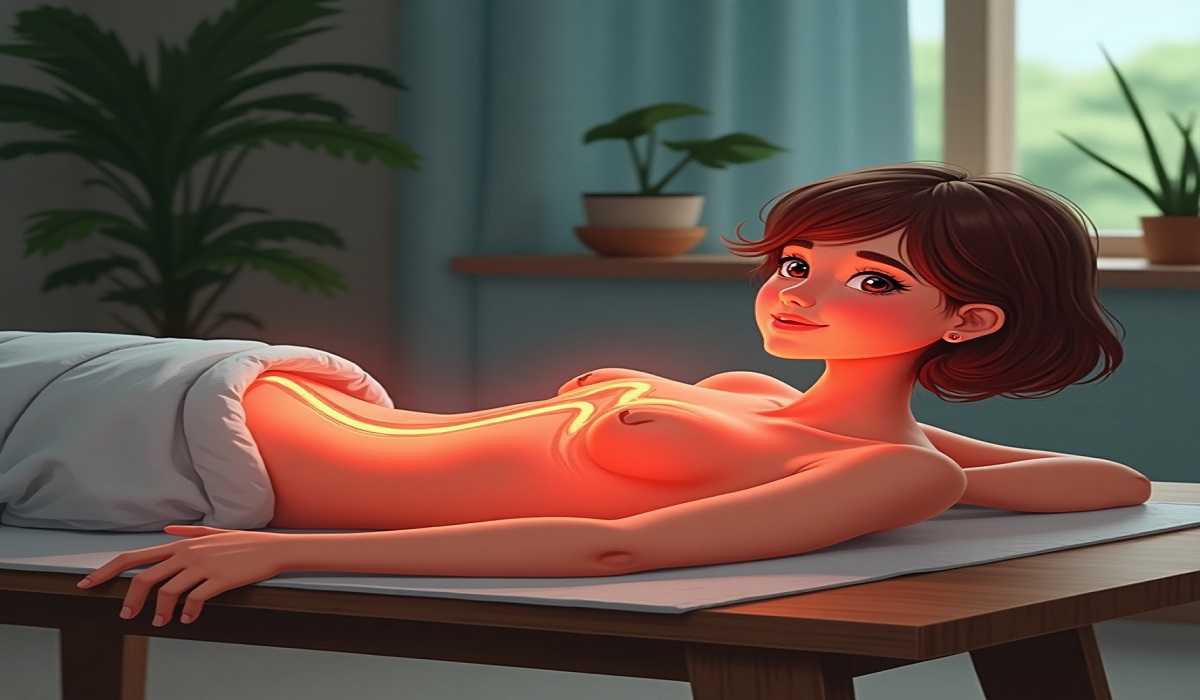
Red light therapy is a simple treatment. You expose your skin to a safe, low-power red or near-infrared light. This light comes from special lamps or devices. It does not burn or hurt. The light particles, called photons, go just under the skin.
Inside your cells, there are tiny parts called mitochondria. Mitochondria are like little batteries that make energy for the cell. The photons from the red light are absorbed by the mitochondria. This helps the mitochondria make more energy, known as ATP. With more energy, cells can do their jobs better and heal faster.
For a damaged ligament, this extra energy is very useful. The cells that build new tissue, called fibroblasts, become more active. They produce more collagen. Collagen is the main protein that makes up ligament fibers. By supporting this basic cell function, red light therapy for ligament repair creates a better environment for healing. The latest devices make this technology safe for home use.
- Key Point: The light does not heat or cut the skin. It is a photochemical effect, like how plants use sunlight.
- Key Point: Near-infrared light can reach deeper into the body than red light, making it good for joint and ligament issues.
The Scientific Support for Light in Healing
Many studies have looked at light therapy for healing. The results are encouraging for soft tissue injuries. Scientists use the term Low-Level Laser Therapy (LLLT) or Photobiomodulation (PBM) for these treatments. Red light therapy for ligament repair falls into this category.
Research in animals and humans shows positive effects. One study on injured ligaments saw faster healing and stronger tissue in subjects who received light therapy. Another study noted a big reduction in pain and swelling. The latest reviews of all available science conclude it is a safe and potentially effective treatment.
The science points to several helpful actions:
- Reducing Swelling: It calms excessive inflammation, which can slow down healing if it lasts too long.
- Easing Pain: It can help lower pain signals in the nerves.
- Boosting Collagen: It encourages fibroblasts to make more of the collagen needed for repair.
- Improving Blood Flow: It supports better circulation, bringing more oxygen and nutrients to the injured area.
This body of science forms the foundation for using red light therapy for ligament repair in modern care plans.

Direct Benefits for Ligament Repair
So, what does this mean for someone with a sprained ankle or knee injury? The benefits of using red light therapy for ligament repair are practical and noticeable.
First, it can help manage pain. Unlike pain pills that just mask the feeling, light therapy may help fix the cause by reducing inflammation. This can make daily movement and physical therapy exercises more comfortable. Second, it aims to shorten recovery time. By helping cells work better, the stages of healing may move along more smoothly.
The quality of the healed ligament is also important. The goal is not just to heal, but to heal well. Studies using microscopes show that ligaments treated with light therapy often have collagen fibers that are more neatly arranged. This organized structure is closer to the original, healthy ligament and may be stronger. This is a core hope of the latest protocols for red light therapy for ligament repair.
- Practical Benefit: Less pain means you can start safe, guided movement sooner.
- Practical Benefit: A stronger repair may lower the chance of re-injuring the same ligament later.
Using Red Light Therapy for Your Ligament Injury
If you are thinking about trying this, talk to your doctor or physical therapist first. They can confirm it is safe for your specific injury. Once you get the okay, you have choices. Many clinics offer treatment. You can also buy a device for home use.
For red light therapy for ligament repair, consistency matters more than a single long session. A common plan is to treat the area for about 5 to 10 minutes, once or twice per day. You place the device close to the skin over your injured ligament. You should feel nothing but a slight warmth, if anything.
When choosing a device, look for a few things. It should emit light in the red (around 660 nm) or near-infrared (around 850 nm) wavelengths. Near-infrared penetrates deeper, which is good for ligaments. Ensure it is from a reputable company and has clear safety information. The latest home devices are designed with these features in mind.
Combining Therapy with a Complete Recovery Plan
Red light therapy for ligament repair is a tool, not a magic cure. It works best when you use it as part of a full recovery plan. Your plan should always start with a proper medical diagnosis. A doctor needs to know how bad your sprain or tear is.
The classic R.I.C.E. method (Rest, Ice, Compression, Elevation) is still crucial in the first few days. As you heal, guided physical therapy is the most important step. A therapist will give you exercises to restore movement, strength, and balance. Think of red light therapy as a supporter that makes your cells more ready to respond to this good care.
Nutrition also plays a role. Your body needs protein, vitamin C, and other nutrients to build new ligament tissue. Eating well gives your body the raw materials, while red light therapy for ligament repair helps the construction crews work efficiently.
Addressing Common Questions and Safety
People naturally have questions about new treatments. Is it safe? Are there side effects? The great news about red light therapy for ligament repair is its safety record. When used as directed, it is non-invasive and does not damage skin. It does not use the harmful UV light from the sun.
Some people should be cautious. If you have a condition that makes you sensitive to light, ask your doctor. Do not look directly into high-power light sources. The most common “side effect” is no effect at all—if the device is too weak or used for too short a time. The latest guidelines emphasize proper dose for good results.
It is also important to have realistic hopes. This therapy supports and improves the body’s natural healing. It is not an instant fix for a major tear that needs surgery. For common Grade I or II sprains, it can be a very helpful part of getting better.
The Future of Ligament Healing with Light Technology
The field of light therapy keeps growing. Researchers are testing more exact wavelengths and treatment times. The goal is to find the perfect “dose” of light for each type of injury. The latest work on red light therapy for ligament repair also looks at combining it with other gentle treatments.
Future devices may be smarter. They could automatically adjust light based on feedback from your skin. Wearable light patches could provide treatment while you go about your day. As science learns more, using light could become a standard, recommended step for soft tissue injuries right after they happen.
This progress aims to give people more control over their recovery. It offers a safe, drug-free way to potentially feel better and get back to activity sooner. The future of red light therapy for ligament repair looks bright, grounded in good science and patient care.
FAQs About Red Light Therapy for Ligament Repair
Q1: How soon after a ligament injury can I start using red light therapy?
You can often start within the first few days, after the initial severe swelling is managed. However, you should always get a diagnosis from a healthcare professional first. They can tell you the severity of your sprain and confirm it is safe to begin.
Q2: Can red light therapy heal a completely torn ligament?
For a complete (Grade III) tear, red light therapy for ligament repair is not a replacement for medical care. These serious injuries often need evaluation by a surgeon. The therapy may be used after surgery to support the healing process, but only under a doctor’s guidance.
Q3: How long does it take to see results from red light therapy?
Results vary. Some people report less pain and swelling within a few days to a week of consistent use. Improvements in strength and stability, which depend on building new tissue, may take several weeks of combined treatment and physical therapy.
Q4: Are there any people who should not use red light therapy?
It is generally very safe. People with photosensitive conditions or those taking medications that make them sensitive to light should consult a doctor. It is also not recommended over areas with active cancer.
Q5: Can I use a red light therapy device too much?
More is not always better. The scientific studies show benefits from short, daily sessions. Following the device manufacturer’s instructions is key. Very long sessions are not proven to be more helpful and are not recommended.
Conclusion
Healing a ligament injury requires patience and the right support. Red light therapy for ligament repair represents a promising, science-backed addition to traditional care methods. By working with your body’s own cells, it may help reduce pain, support faster healing, and contribute to a stronger repair. The latest advances make this technology more accessible than ever.
Remember, the most effective recovery comes from a complete plan: professional medical advice, dedicated physical therapy, good nutrition, and supportive tools like red light therapy. If you have a ligament injury, talk to your healthcare provider to see if this gentle, light-based approach could be a beneficial part of your journey back to health.