Biofeedback training for clutch performance
Biofeedback training for clutch performance: Have you ever felt your heart pound before a big moment? Your hands might get cold. Your thoughts race. This is your body reacting to stress. For athletes, musicians, or anyone facing a high-pressure task, these feelings can make or break success.
What if you could train to control these reactions? This is where biofeedback training for clutch performance becomes a powerful tool. It is not a magic trick. It is a science-based method for understanding your body’s signals. You learn to manage them to stay calm and focused when it matters most.
This guide will walk you through everything about biofeedback training for clutch performance. We will look at what it really is, how it functions, and the different forms it can take. You will get practical steps to begin and understand why this modern approach is changing how people prepare for critical situations. The goal is to give you clear, useful information you can apply, written for real people seeking real improvement.
What Is Biofeedback and How Does It Connect to Performance?
Biofeedback is a way to see what your body is doing. Think of it as a mirror for your inner state. Machines or sensors measure body functions you normally do not notice. These include your heart rate, how much you sweat, your skin temperature, and even your brain waves. This information is shown to you in real-time on a screen. You might see a line graph, a moving bar, or hear a sound that changes with your body.
The connection to clutch performance is direct. “Clutch” refers to doing well under extreme pressure. When pressure builds, your body’s stress response can hurt your fine motor skills, focus, and decision-making. Traditional practice builds skill, but it often ignores this nervous system reaction. Biofeedback training for clutch performance addresses this gap.
It teaches you to recognize the early signs of stress in your body. More importantly, you learn how to change those signals through practice. By training your physiological responses, you build a reliable foundation for your talent to shine through, even in tense moments.
- It makes the invisible, visible: You cannot feel a slight rise in heart rate, but a sensor can show it.
- It promotes self-awareness: You learn your personal stress signatures.
- text**It builds a mind-body link:** You see how a calm thought can physically lower your heart rate.
The Science Behind the Training: Why Your Body’s Signals Matter
Your brain and body are in constant conversation. During stressful events, a part of your brain called the amygdala sounds an alarm. This triggers the “fight-or-flight” response. Your body releases adrenaline. Your heart beats faster to pump blood to muscles. You breathe quicker. This is helpful for running from danger but not for sinking a game-winning free throw or playing a complex piano piece.
Biofeedback training for clutch performance works by engaging another part of your brain: the conscious, thinking part. When you see your stress signals on a screen, you can use conscious techniques to calm them. You might try deep breathing, picturing a peaceful scene, or relaxing your muscles.
As you practice, you see the direct result—the line on the screen falls, your heart rate slows. This rewards your brain. Over time, you strengthen the neural pathways that give you control over your stress response. Essentially, you train your nervous system to stay balanced under pressure. The science confirms that consistent biofeedback training can lead to lasting changes in how you handle anxiety, directly supporting better clutch performance.
Essential Tools for Biofeedback Training at Any Level
You do not need a laboratory to start. Modern technology has made biofeedback training for clutch performance accessible. Here are the main types of tools, from simple to advanced.
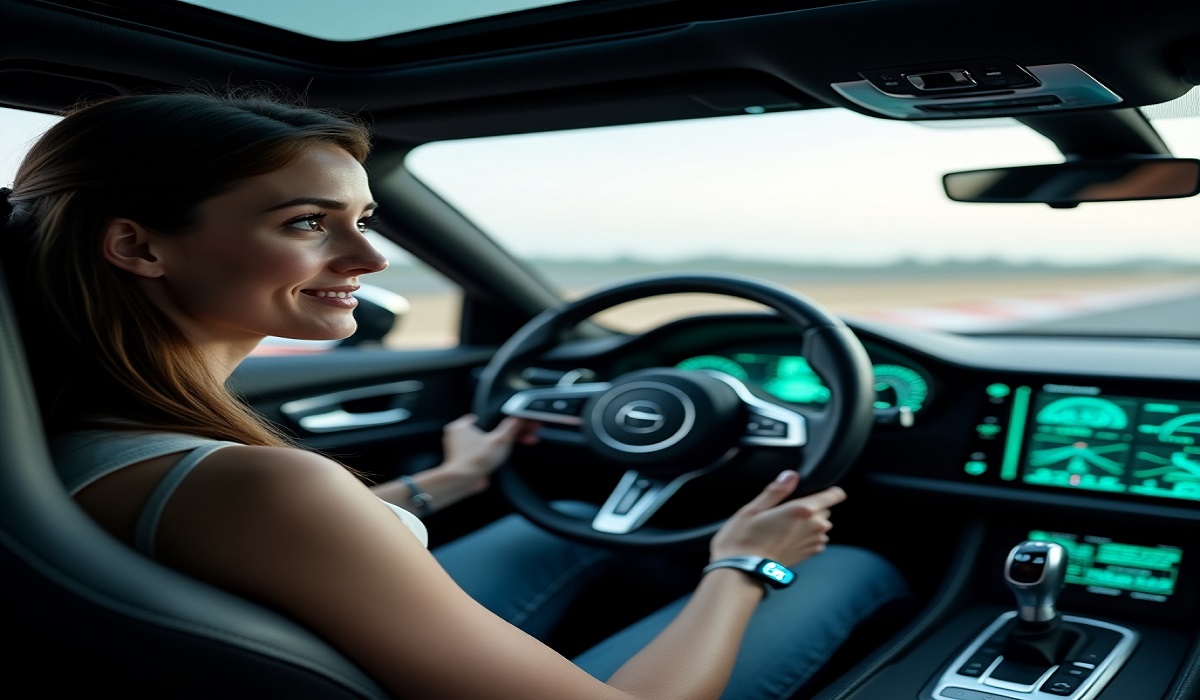
Heart Rate Variability (HRV) Sensors: HRV is a key metric for resilience and recovery. It measures the tiny changes in time between each heartbeat. Higher HRV generally indicates a more relaxed and adaptable nervous system. Many wrist-based fitness trackers and chest straps now provide HRV data. These devices offer a great entry point for biofeedback training. You can use them to practice breathing exercises and watch your HRV score improve in real time.
Electrodermal Activity (EDA) Sensors: These devices measure subtle changes in the skin’s sweat level, which is linked to emotional arousal. A simple EDA sensor might fit in your hand. It provides clear feedback; when you feel stressed, the reading goes up. When you calm yourself, it goes down. This direct cause-and-effect makes it a powerful tool for initial biofeedback training for clutch performance.
Professional-Grade Systems: For dedicated training, clinics and sports psychologists use multi-sensor systems. These can track HRV, EDA, skin temperature, breathing rate, and muscle tension (EMG) all at once. They provide a complete picture of your physiological state. While more expensive, this comprehensive approach offers the deepest level of insight for optimizing clutch performance.
Building Your Routine: Steps to Integrate Biofeedback Practice
Starting a practice is straightforward. The key is consistency, not complexity. Follow these steps to build an effective routine for biofeedback training for clutch performance.
First, establish a baseline. Sit quietly for five minutes with your chosen sensor. Do not try to change anything. Just observe what your body does at rest. Note your average heart rate or HRV score. This is your calm baseline. Next, create a daily calm practice.
For 5-10 minutes each day, use the biofeedback device while doing a relaxation technique. Focus on slow, deep breathing from your belly. As you breathe, watch the screen. Aim to move the numbers toward your calm baseline. The goal is not perfection, but connection.
Finally, simulate pressure. Once you are comfortable calming yourself at rest, introduce mild stress. Play a difficult video game, do a timed puzzle, or practice your skill with consequences (e.g., “if I make this putt, I win”).
Wear your sensor during this activity. Your job is not to prevent stress signals, but to notice them and use your breathing to manage them. This is the core of biofeedback training for clutch performance—learning to apply calm in the storm.
- Start short: Begin with 5-minute sessions to avoid frustration.
- Track progress: Keep a simple log of your pre- and post-session numbers.
- Be patient: The skill of self-regulation takes time to build, like a muscle.
Real-World Applications: From Sports to Everyday Challenges
The use of biofeedback training for clutch performance stretches far beyond the sports headlines. Any situation where pressure hinders ability is a candidate for this training.
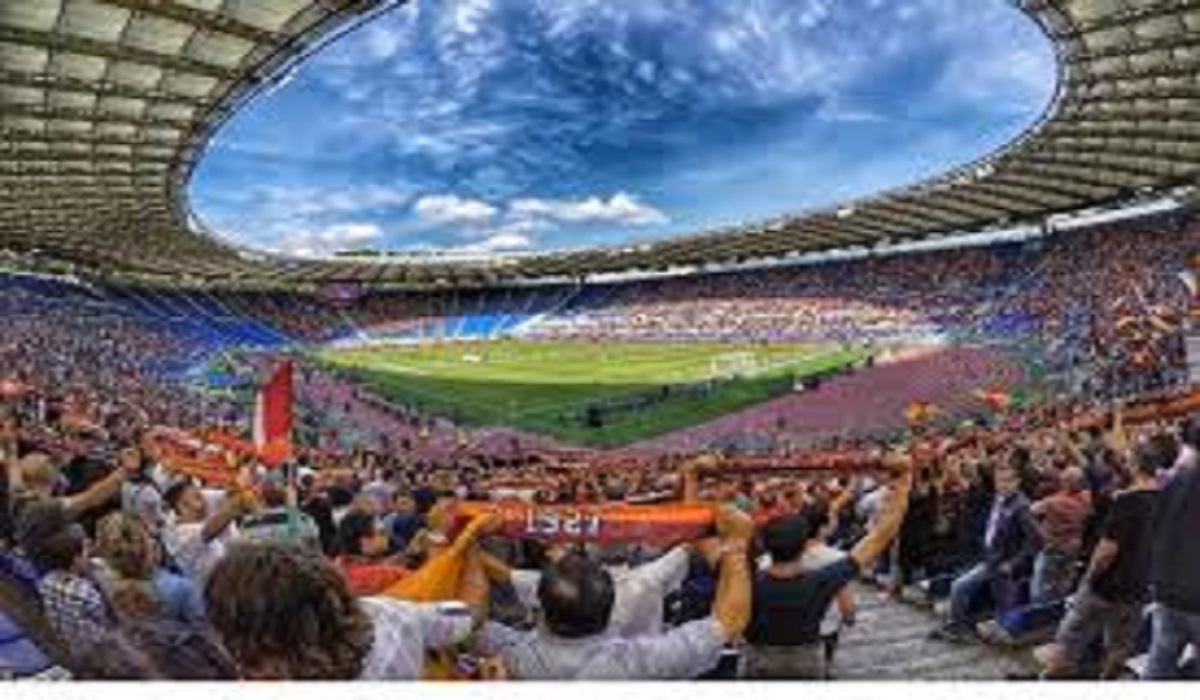
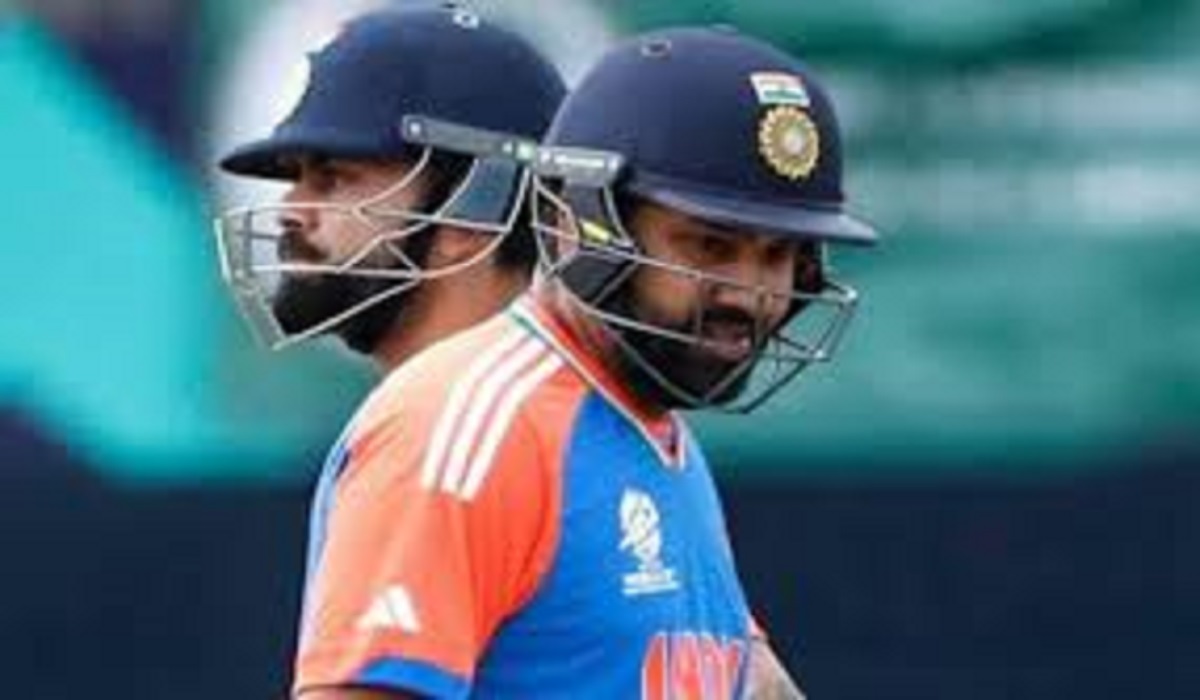
Athletic Performance: This is the most common image. Basketball players use it to steady their heart rate for last-second free throws. Golfers use it to maintain a steady grip and focus before a critical putt. Marathon runners use HRV training to manage their effort and pace. The principle is the same: control the body to free the mind for optimal clutch performance.
Public Speaking and Presentations: The fear of speaking in front of a group triggers a strong stress response. Biofeedback training helps individuals recognize their anxiety signals—like shallow breathing—and consciously counteract them before and during a speech. This leads to a calmer voice, clearer thoughts, and more authoritative presence.
Creative and Academic Performance: Musicians, actors, and students taking important exams all face performance anxiety. A pianist can use biofeedback training to manage the adrenaline that causes shaky hands. A student can learn to lower their heart rate before an exam, reducing panic and improving recall. This training turns high-stakes moments into opportunities for focused execution.
Measuring Progress and Staying Motivated in Your Training
How do you know your biofeedback training for clutch performance is working? The progress shows up in two places: on the screen and in your life.
On the screen, you will see quantitative improvements. Your baseline HRV may increase over weeks, showing a more resilient nervous system. During your simulated pressure sessions, you might see your heart rate spike less and return to normal faster. This is called a faster recovery time, a hallmark of good stress management.
In your life, you will notice qualitative changes. You might feel a sense of calm before a meeting that used to make you nervous. You may find yourself taking a deep breath automatically when you feel rushed. The ultimate test is an improved outcome in your real clutch performance moments.
Staying motivated is easier when you set small, clear goals. Do not aim for “perfect calm.” Aim for “a 5% lower heart rate during my next practice session.” Celebrate these small wins. Remember why you started. Connecting your practice to a meaningful goal—like giving a great wedding speech or winning a championship—fuels long-term commitment to biofeedback training.
Addressing Common Questions About Biofeedback Methods
Many people have questions when they first learn about this field. Let’s clarify some common points.
Some wonder if biofeedback is just meditation. While both aim for calm, biofeedback adds a layer of objective measurement. Meditation is an internal practice. Biofeedback training for clutch performance provides external proof of your internal state, which can accelerate learning and provide undeniable feedback. Others ask if they will become dependent on the machines.
The opposite is true. The devices are training wheels. You use them to learn what control feels like in your body. The goal is to internalize that skill so you can access it anytime, anywhere, without any technology. This self-sufficiency is the point of the training.
Future Directions in Performance Psychology and Biofeedback
The field of biofeedback training for clutch performance continues to evolve. Technology is becoming smaller, more accurate, and more integrated into everyday life. We are seeing the rise of wireless, multi-sensor systems that provide rich data through smartphone apps. Future developments may include more personalized feedback, using artificial intelligence to tailor training protocols to an individual’s unique physiology.
Furthermore, the combination of biofeedback with virtual reality (VR) is promising. Imagine practicing your presentation or sport in a hyper-realistic, high-pressure VR simulation while monitoring your physiological responses. This creates the ultimate safe environment to prepare for clutch performance. The core idea will remain: giving people direct access to the levers of their own nervous system to perform at their best.
Frequently Asked Questions (FAQs)
1. How long does it take to see results from biofeedback training for clutch performance?
Most people notice initial changes, like feeling more aware of their stress signals, within a few weeks of consistent practice. Meaningful changes in actual high-pressure performance often take two to three months of regular, focused sessions. Like any skill, progress depends on the consistency and quality of your practice.
2. Can I do biofeedback training on my own, or do I need a coach?
You can certainly start on your own using consumer-grade devices like an HRV monitor. Many helpful apps guide you through basic breathing exercises. However, working with a certified biofeedback therapist or performance psychologist can be very beneficial. They can help you interpret data, overcome plateaus, and design a program perfectly suited to your goals for clutch performance.
3. Is biofeedback training safe? Are there any side effects?
Biofeedback training for clutch performance is non-invasive and considered very safe. It simply measures your body’s own signals. There are no electrical currents or medications involved. The most common “side effect” is becoming more aware of your stress, which is the first step toward managing it effectively.
4. What’s the difference between biofeedback and neurofeedback?
Biofeedback is the broad category covering training with various body signals like heart rate, breathing, and muscle tension. Neurofeedback is a specific type that focuses solely on brain wave activity. Both aim for self-regulation, but neurofeedback requires more specialized equipment and is often used for different sets of goals alongside biofeedback training for clutch performance.
5. Do I have to use technology forever to maintain the benefits?
No. The technology is a teacher. Once you learn the skill of recognizing and shifting your physiological state, you can do it on your own. Many people use periodic “check-up” sessions with their device to refine their skills, but the control you develop becomes a permanent part of your toolkit.
Conclusion
Biofeedback training for clutch performance offers a practical, evidence-based path to mastering pressure. It moves beyond just hoping to stay calm and provides a method to train for it. By learning to read and influence your heart rate, breathing, and other signals, you build a foundation of self-control.
This foundation allows your practiced skills and knowledge to come forward without interference from nerves. Whether you are an athlete, a professional, a student, or simply someone who wants to handle life’s big moments with more poise, this training puts you in the driver’s seat of your own potential. The journey begins with a single breath and the willingness to listen to what your body has to say.