Nutrigenomics for Personalized Athlete diets
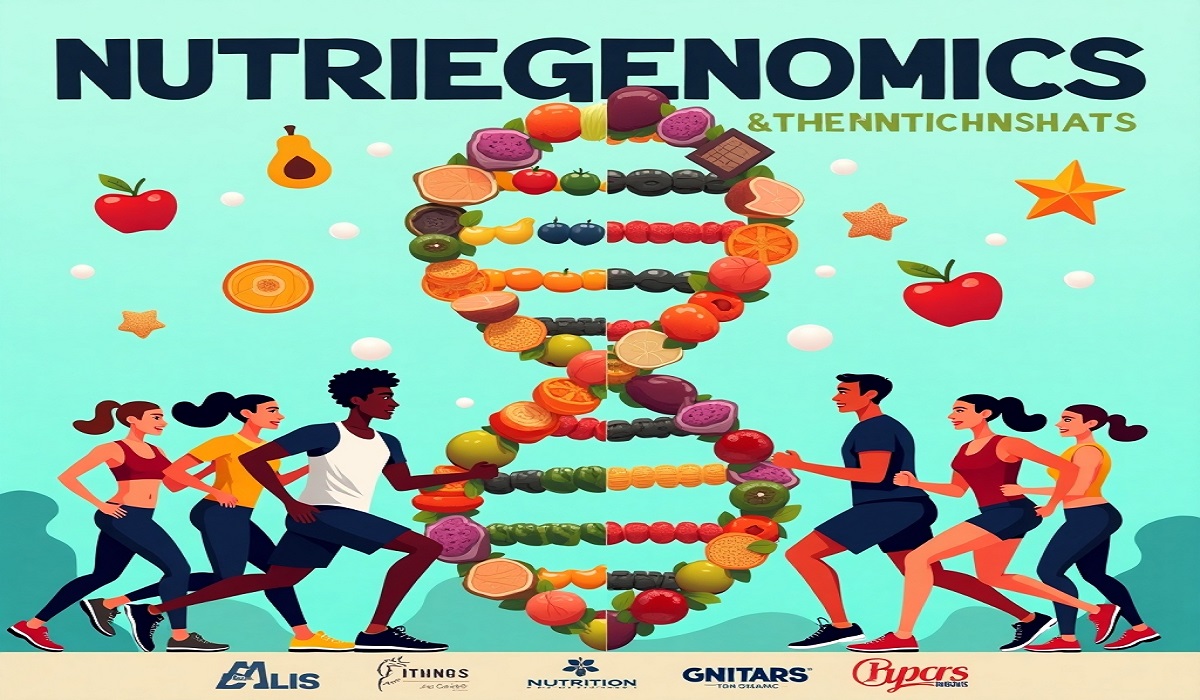
Nutrigenomics for Personalized Athlete diets: For years, athlete nutrition followed a general playbook. You ate carbs for energy, protein for muscles, and aimed for balanced meals. But what if the best playbook was written inside you from the start? A new science is changing the game by making food plans as unique as your fingerprint. This field is called nutrigenomics for personalized athlete diets.
Nutrigenomics studies how your genes interact with the food you eat. It looks at your DNA to understand how your body uses nutrients. This isn’t about a single diet for all athletes. Instead, nutrigenomics for personalized athlete diets offers a custom approach. It provides a plan made just for your body’s genetic instructions. This represents the latest shift from guessing to knowing, from general advice to precise, personal strategy.
How Your Genes Talk to Your Food?
Your genes are like a detailed instruction manual for your body. They guide how you build muscle, process energy, and handle inflammation. Nutrigenomics is the science of reading the parts of this manual related to food. For an athlete, this means understanding your genetic strengths and areas for nutritional support.
Scientists doing this work don’t change your genes. They analyze them to give you better food advice. They might look at genes that control:
- How well your body uses different types of fats and carbohydrates for fuel.
- The rate at which you process and need certain vitamins, like B vitamins or Vitamin D.
- Your natural levels of inflammation and antioxidant protection after a hard workout.
- Your potential risk for low iron levels or other nutrient shortages.
The goal of nutrigenomics for personalized athlete diets is to fill gaps. It uses your diet to support your unique genetic profile. This creates a powerful tool for any athlete wanting an edge.
The Real-World Impact on Athletic Performance
How does this science move from a lab report to better performance on the track, in the pool, or on the field? The application of nutrigenomics for personalized athlete diets touches every part of training.
First, it can refine how you fuel. Two runners might have different genes for carbohydrate metabolism. One could perform better with a different type of carb or a specific timing strategy. Their nutrigenomics plan would reflect this. Second, recovery is crucial.
Your genes influence how much muscle damage you experience and how quickly you repair. A diet informed by nutrigenomics can include targeted foods that help your specific recovery pathways work better.
Third, it helps in managing injury risk. Some genes affect bone health and tendon strength. A personalized diet can ensure you get the exact nutrients needed to keep these tissues strong.
This proactive approach is a key benefit of the latest nutrigenomics for personalized athlete diets. It’s not just about fixing problems; it’s about building a more resilient body from within.
Clear Examples of Nutrigenomics in Action
Let’s make this concrete with examples. Imagine two soccer players, Alex and Jordan. They follow the same team diet, but their results differ.
- Example 1: Caffeine Metabolism. Alex has a gene variant that means he metabolizes caffeine slowly. For him, a pre-game coffee might cause jitters and last too long, hurting sleep. Jordan metabolizes caffeine quickly and gets a clean energy boost. Nutrigenomics for personalized athlete diets would suggest Alex avoids caffeine close to games, while Jordan could use it strategically.
- Example 2: Vitamin D Needs. Both athletes live in a cloudy climate. Genetic testing shows Alex’s body is very efficient at using vitamin D. Jordan’s genes suggest a much higher dietary need. The latest plans would recommend Jordan takes a significant vitamin D supplement to support immunity and bone health, while Alex might need only a small amount or none.
- Example 3: Antioxidant Protection. After intense training, Jordan feels sore for days. Alex bounces back quickly. Their nutrigenomics reports might show Jordan has a higher genetic need for specific antioxidants like vitamin C or certain plant compounds. Jordan’s personalized athlete diet would then be rich in berries, citrus, and leafy greens to aid recovery.
These examples show nutrigenomics is not magic. It’s logical, personalized science.
Building Your Personal Nutrigenomics Plan
Starting with nutrigenomics for personalized athlete diets begins with a simple test. You usually provide a saliva sample sent to a specialized lab. A report details your genetic markers related to nutrition, metabolism, and exercise. This raw data is just the first step.
The crucial second step is working with a qualified sports dietitian or nutritionist who understands this science. They translate the report into a practical, actionable eating strategy. This expert will:
- Interpret your genetic data in the context of your sport, training load, and goals.
- Design a meal framework that emphasizes the foods your body uses best.
- Adjust your nutrient timing around training based on your metabolism.
- Recommend specific supplements only if your genetics show a clear need that’s hard to meet with food alone.
This collaborative process turns complex data into your daily food choices. It makes the latest nutrigenomics for personalized athlete diets useful and sustainable.
Weighing the Benefits and Current Limits
The potential of nutrigenomics for personalized athlete diets is exciting. The main benefit is precision. You remove guesswork and can focus your diet on what your body truly needs.
This can lead to better performance, faster recovery, reduced injury risk, and improved long-term health. It empowers you with knowledge about your own biology.
However, it’s important to see the full picture. Genetics are only one part of the story. Your current health, daily stress, sleep quality, and overall training are still vitally important. A nutrigenomics plan works alongside these factors, not as a replacement for good fundamentals.
Also, the science is still growing. We don’t have all the answers yet, and your genes are not your destiny. They give you tendencies, but lifestyle choices still play a massive role.
The cost of testing and expert guidance can also be a barrier. It’s an investment. For many recreational athletes, mastering the basics of quality nutrition, hydration, and timing remains the most effective step. For elite athletes or those with specific performance plateaus, nutrigenomics for personalized athlete diets offers a compelling next-level tool.
The Future of Food and Fitness
Where is this field headed? The latest developments in nutrigenomics for personalized athlete diets point toward even more integration. Future plans might combine your DNA data with real-time information from wearable devices tracking your blood sugar, heart rate, and sleep.
This could lead to dynamic food suggestions. Your app might recommend a specific post-workout snack based on your genes, the intensity of your just-completed session, and your current stress level. Research continues to uncover new connections between our genes and food. This will make personalized athlete diets even more precise and powerful.
The core idea will remain: using personal data to nourish the individual, not the average. This people-first approach to sports nutrition honors our biological uniqueness.
Frequently Asked Questions
1. Is nutrigenomics testing the same as fitness DNA tests I see online?
Many direct-to-consumer tests offer basic insights, but a professional nutrigenomics for personalized athlete diets analysis is more thorough. It focuses on sports-specific genes and is interpreted by a qualified expert who can build a complete, safe nutrition plan for your training demands.
2. Can nutrigenomics tell me if I should follow a keto, vegan, or high-carb diet?
It can give strong clues. Your genes can show how efficiently you metabolize fats versus carbohydrates. This data, combined with your sport’s energy demands, helps a dietitian determine the best macronutrient balance for you, which may align with a known diet type or be a unique hybrid.
3. If my genes show a high need for a nutrient, do I just take a supplement?
Food first is almost always the rule. The guidance from nutrigenomics for personalized athlete diets starts with food sources. For instance, a high need for omega-3s would mean prioritizing fatty fish. A supplement might only be considered if meeting that need through food is very difficult.
4. Will this tell me what sport I’m genetically suited for?
Not primarily. Nutrigenomics focuses on nutritional responses. While some genes relate to muscle fiber type or power output, the main goal of this testing is to optimize how you fuel and recover for the sport you have chosen and love.
5. Once I get my plan, is it set for life?
Your genes don’t change, but your life does. Your nutrigenomics plan provides a lifelong blueprint. However, a good dietitian will adjust the specifics—like calorie intake, meal timing, and food choices—as your training volume, age, and goals evolve.
Conclusion
Nutrigenomics for personalized athlete diets marks a thoughtful step forward in sports science. It moves us beyond one-size-fits-all nutrition advice. By listening to the unique instructions in our DNA, we can craft diets that work in harmony with our bodies.
This latest approach helps athletes fuel with greater intelligence, recover with more efficiency, and build stronger, healthier bodies from the inside out. It turns everyday food into a precise, personal tool for achieving your highest potential.